Jun
30
2013
Bastian Asmus
[tab: Description]
Bastian Asmus 2012:
Medieval Copper Smelting in the Harz Mountains, Germany (= Montanregion Harz, Bd 10 [Hg. Christoph Bartels, Karl Heinrich Kaufhold und Rainer Slotta]), Bochum (Veröffentlichungen aus dem Deutschen Bergbau-Museum Bochum Nr 191), 2012, ISBN 13: 978-3-937203-63-8
395 pages, english, colour, Appendix for microscopic identification (reflected polarising lihjt microscopy) of slag phases, metal phases, ore minerals and their analysis by SEM-EDS, WDX and EPMA-WDS as well as XRF for bulk chemical characterisation.
44,- Euro
Medieval copper from the Harz
The work deals with the evaluation of a high medieval smelting site in the Harz, near the UNESCO World Heritage sites Rammelsberg and Goslar. With more than 1000 m2 excavated it is to date the most extensive archaeometallurgical investigation of a smelting site in medieval central Europe. It is a site where the polymetallic Rammelsberg ore was smelted to produce copper, lead and silver. The site can be considered as a typical example of a high medieval smelting site in the Harz. Particular emphasis was placed on an interdisciplinary approach which drew upon historical, archaeological and material scientific sources.
[tab: abstract]
Abstract
The Rammelsberg deposit in the Harz mountains in Germany is among the largest metal deposits in the world and has been in continuous use for more than a millennium. There is much controversy as to the nature of the metals produced and the processes involved from the ores of this deposit. This thesis deals with the largest and most accurately excavated smelting site of the high medieval period in the Harz mountains called Huneberg and may be regarded as typical for region and period.
Traditionally historians connect the Rammelsberg with silver production, the mining historians, however point out that the deposit is too poor in silver and that copper was produced in the high medieval period. Modern economical literature classifies the Ram- melsberg as a lead-zinc deposit.
To contribute towards the understanding of these questions an archaeometric study of archaeometallurgic waste- and byproducts, such as slag, furnace lining, furnace wall, litharge and spilled metal drops was undertaken. It builds the base of the interpretation of the metallurgical activities that have taken place at the Huneberg and is contrasted with previous studies. It is suggested that copper, lead and silver in form of argentiferous lead were produced on site, using a complex multi-step process, taking full advantage of the numerous structural features of the site, e.g. the three furnaces present on the site. Successive smelting episodes produced black copper of increasing purity as well as a rather rich argentiferous lead. Because the site is similar to may other sites it is further suggested the mode of metal production at the Huneberg followed a more or less stringent set of recipes and traditions. The mass of 1600 kg slag recovered from the site suggest a copper production of some 600 kg or less, depending on the ore quality. Lead is thought to have been produced in similar quantities, which in turn would mean that the site produced also 1.4 kg of silver during its operation.
[tab: Order info]
Order
44,- Euro plus P&P
Online shop of the German Mining Museum
[tab:END]

no comments | posted in Archaeometallurgy, Science
Jun
27
2013
Bastian Asmus

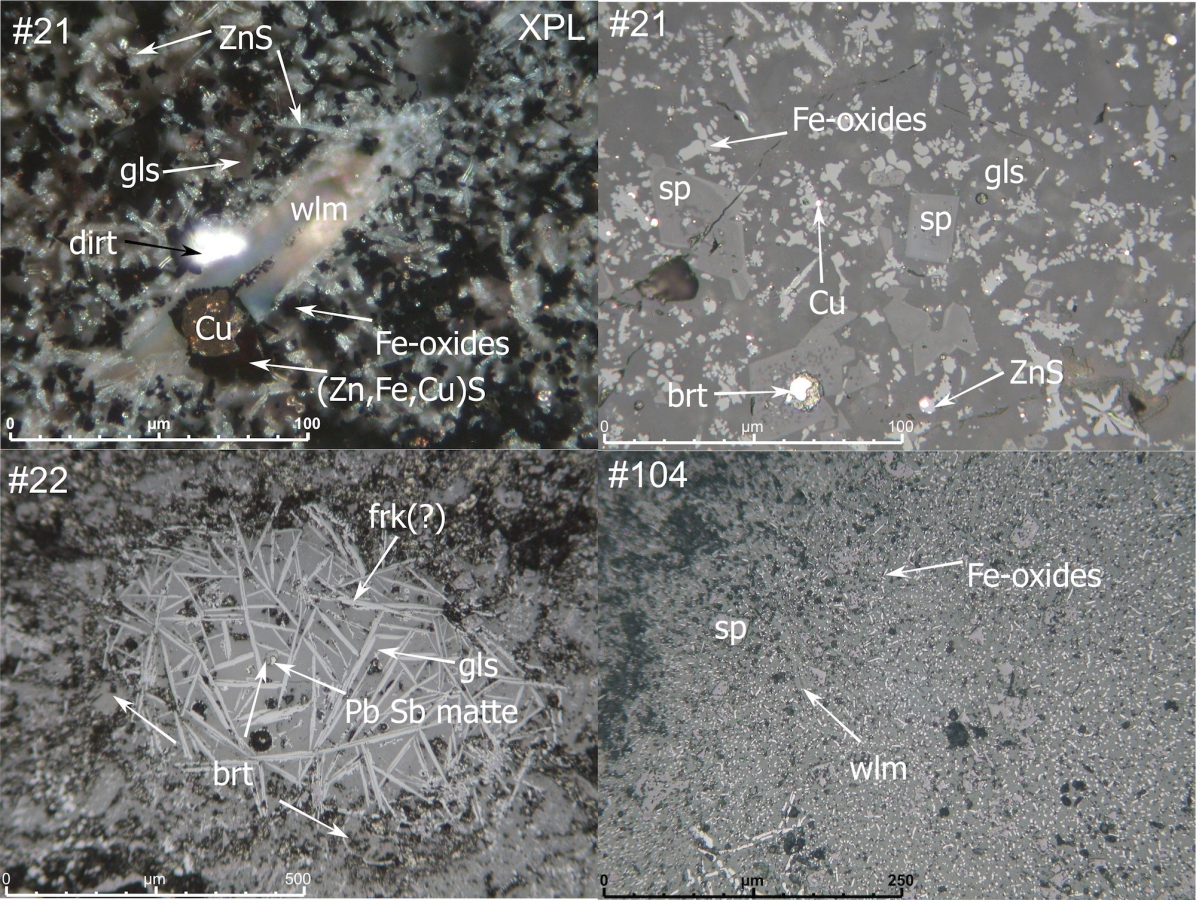
Slag samples of a medieval (12th century) copper smelting furnace.
Top left: #21, XPL. Under crossed polarisers the zinc sulphide can be seen as tiny dendrites within the glassy matrix. The other phases are willemite (wlm) and copper (Cu), which is usually asso ciated with the (Zn,Fe,Cu)S phase, an accompanying phase of copper matte at the Huneberg, from which it probably segregates upon solidification. Free iron oxides are seen as dark and much larger dendrites.
Top right: Another section of #21, under plain polarised light. It shows the abundant spinels, the iron oxides and copper inclusions. Most notably it shows the free baryte (brt) inclusion in the slag matrix.
Bottom left: #22, shows more free baryte (brt), together with a lead antimony matte. The long needles are a mixed iron and zinc oxides and are believed to be franklinite (frk?). #104, is rather more affected by corrosion than the other two samples. It shows mainly spinel (sp), free iron oxides and some willemite (wlm). Spinels are in the same order of magnitude than in the other samples.
The colloquial term Schlackologie is used by several German colleagues in the archaeometric sciences when it comes to the analysis and interpretation of mostly metallurgical slags. Literally it would translate to slagology. But why are slags investigated at all and what exactly is slag?
What are slags and what do they consist of?
Slags are by-products of metallurgical or pyro-technological processes and usually remain at the production site as waste product. For example metallurgical smelting slag is usually composed of five separate components:
Continue reading
3 comments | posted in Archaeometallurgy, General, Science, slag
Jun
27
2013
Bastian Asmus
[tab: Overview]
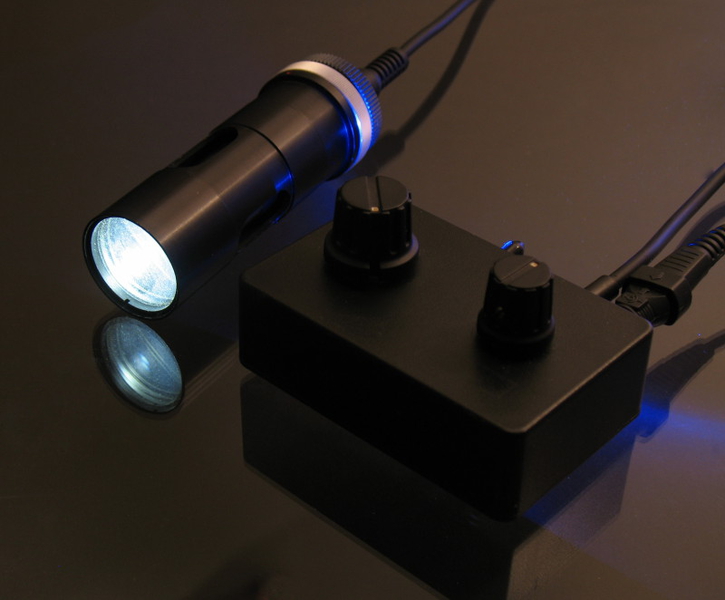
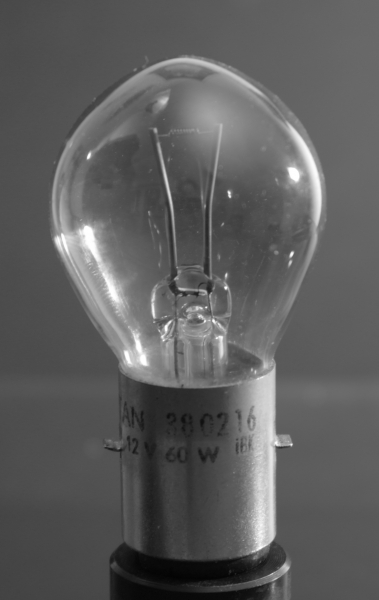 Problem: Your microscope is fine working condition, the optics are flawless, but illumination is either dim, brightness is not adjustable or bulbs are hard to come by.
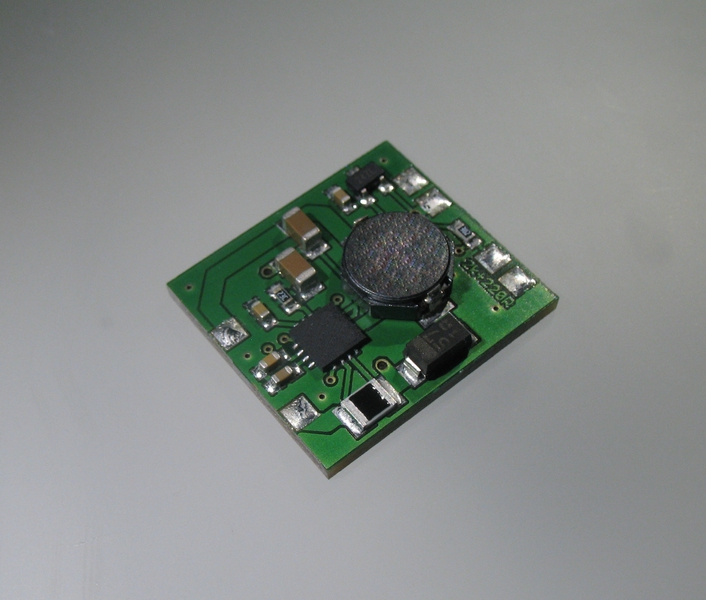
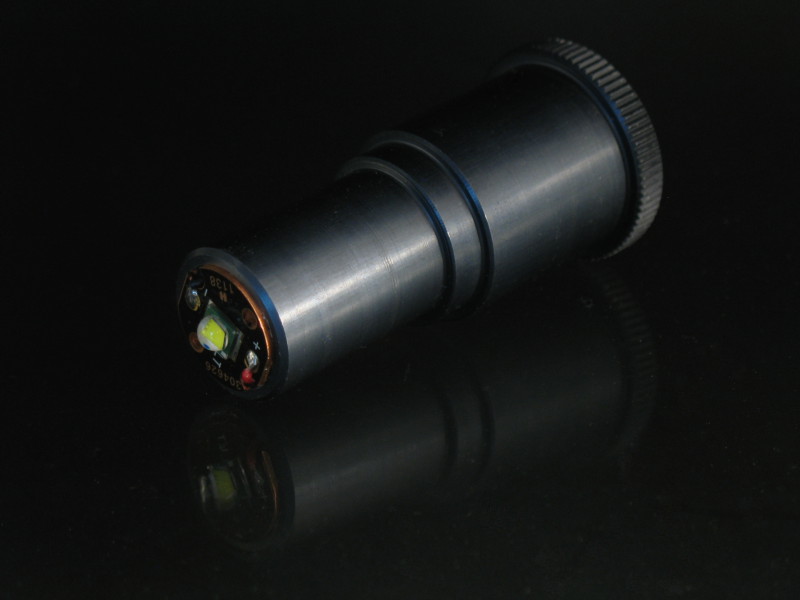
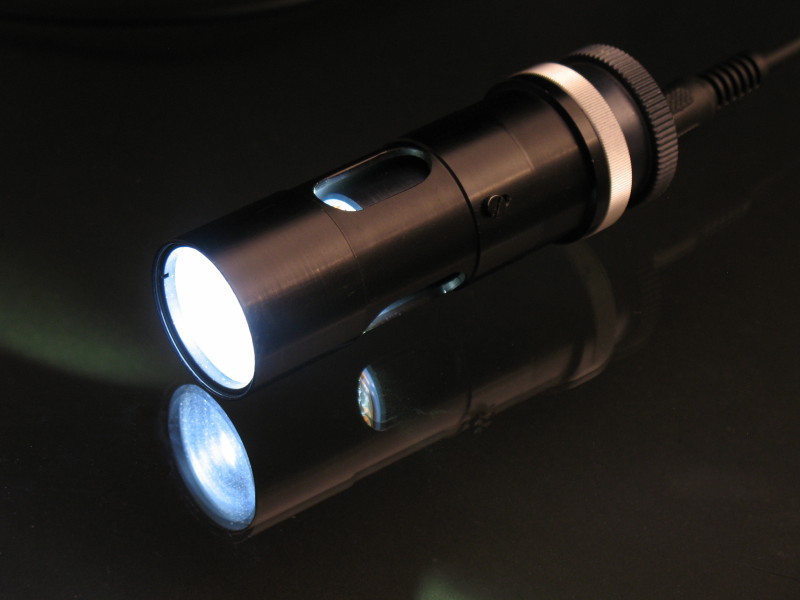
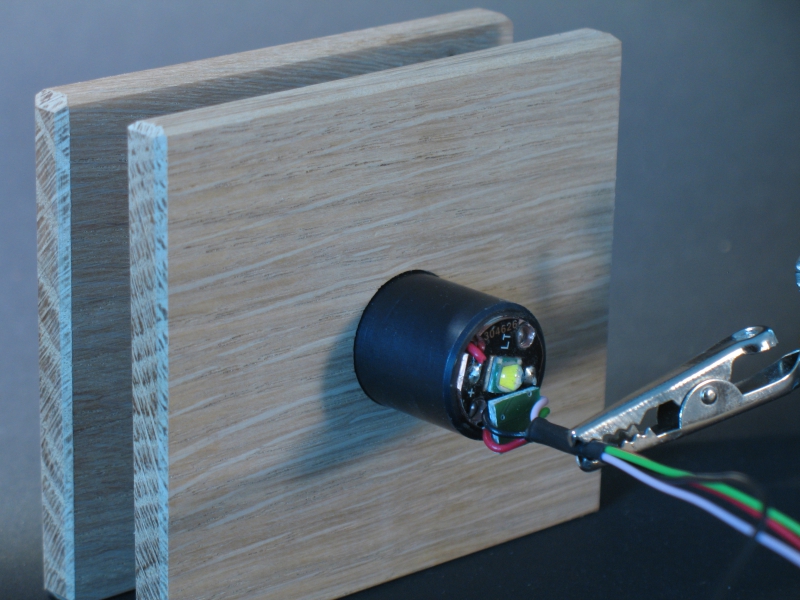
Soultion: Retrofit your microscope with a high Power LED microscope illumination and these issues are in the past. Suddenly light consuming microscopy methods such as for example polarising or dark-field microscopy cease to be a problem. The utilised LED CREE XM-L is easily powerful enough for these tasks. The LED is powered with a maximum of 1600 mA. At core of the illumination solution is a LED driver and dimmer that I have specifically designed for this task. You can even make videos without any problems.
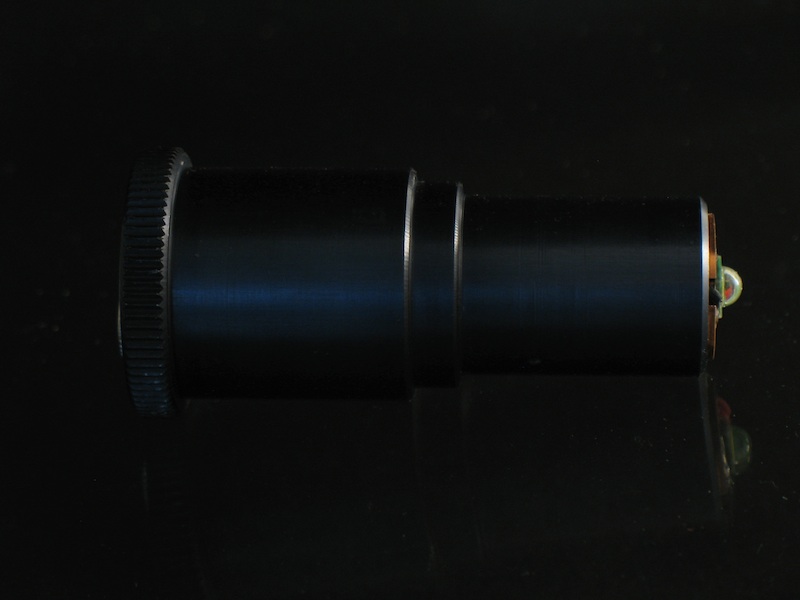
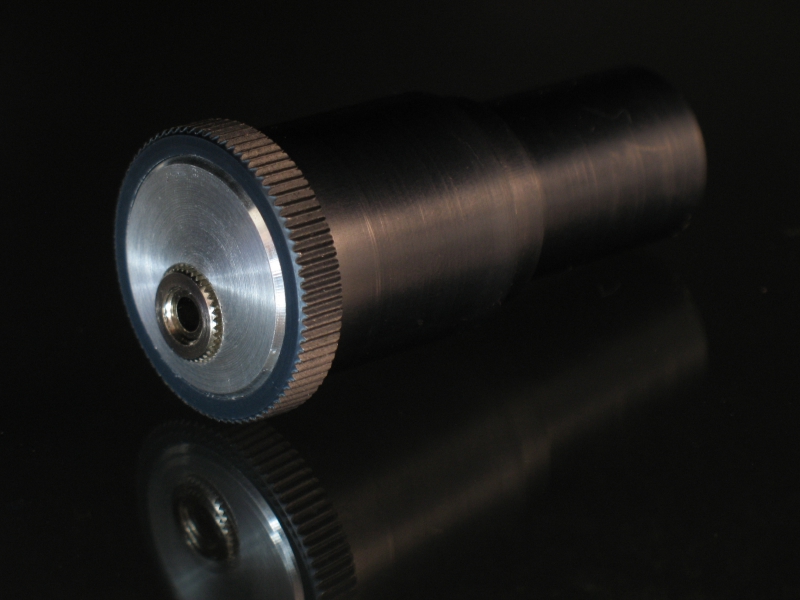
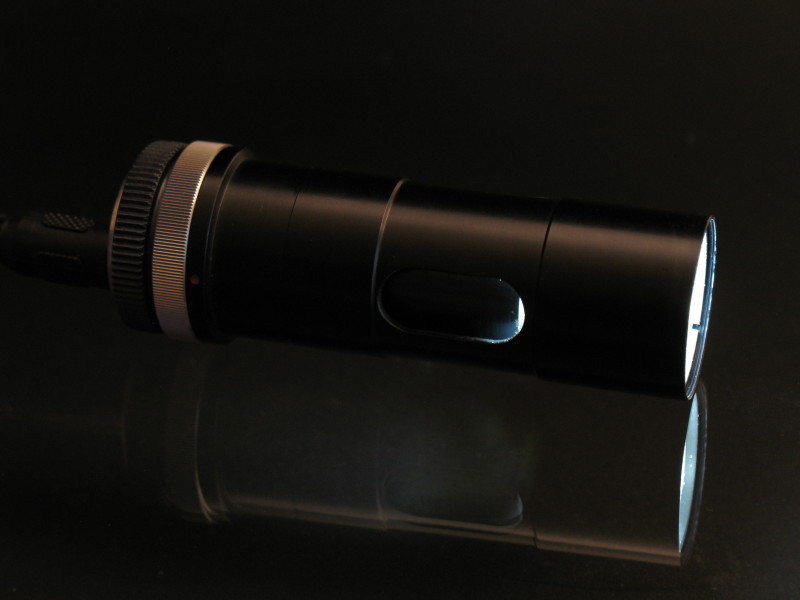
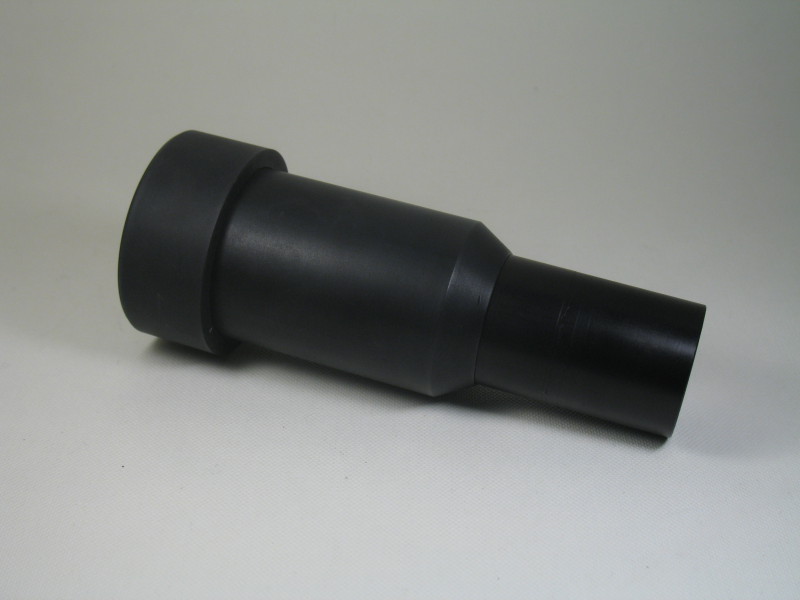
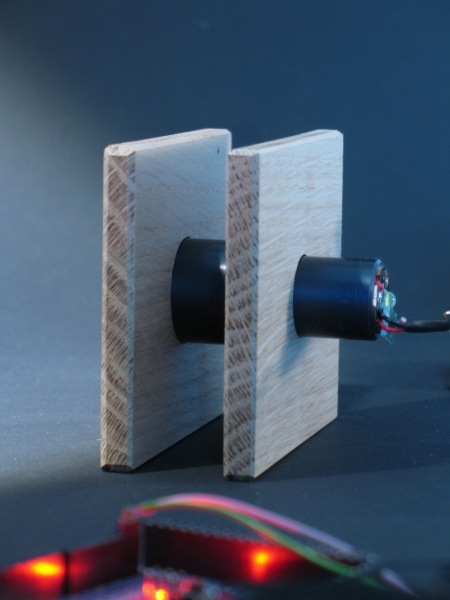
Custom made LED adapters are used for fitting the LED to your microscope. Upon request we can also do the conversion.
[tab: Universal LED Controller]
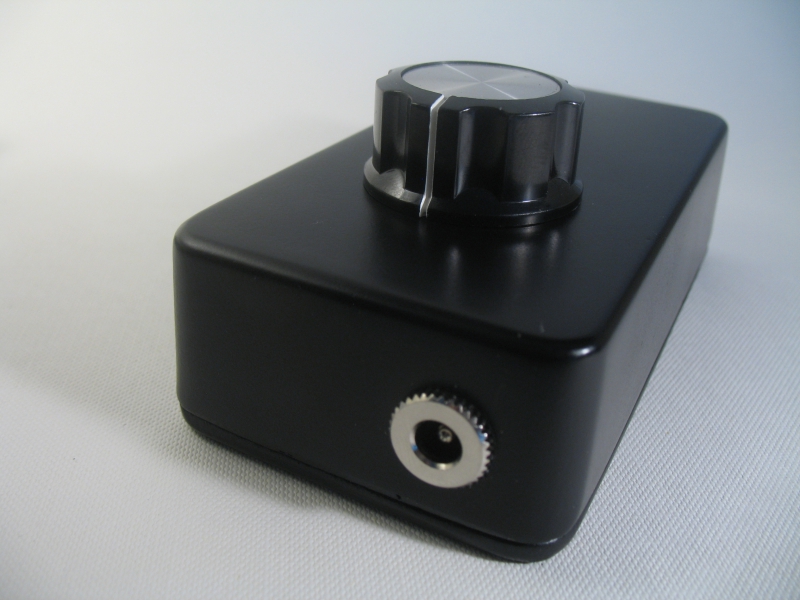
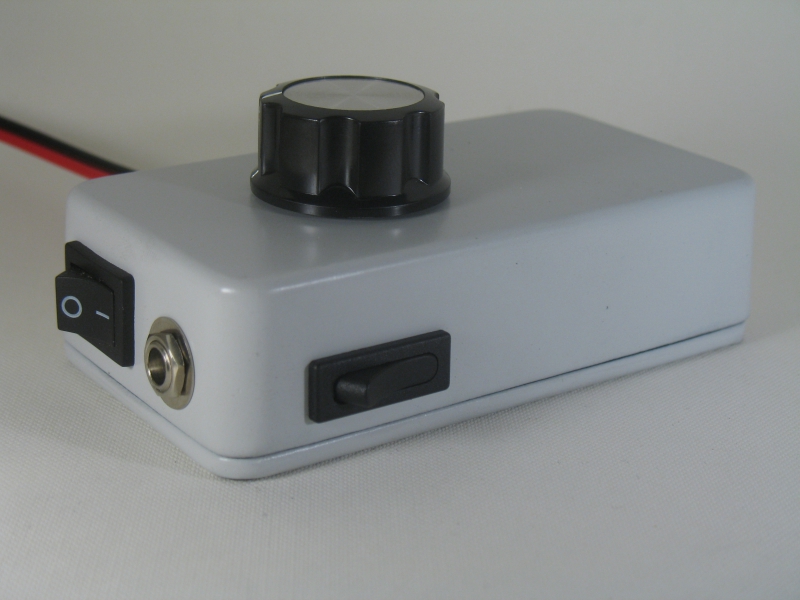
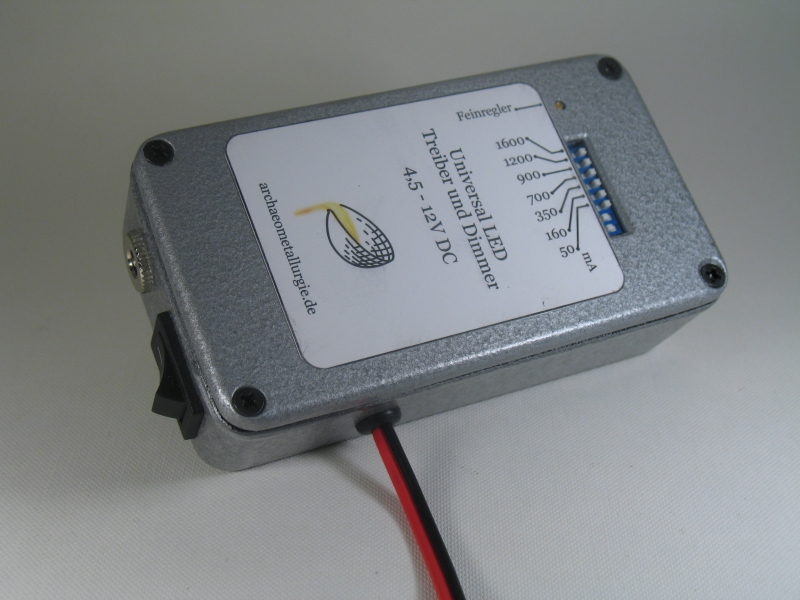
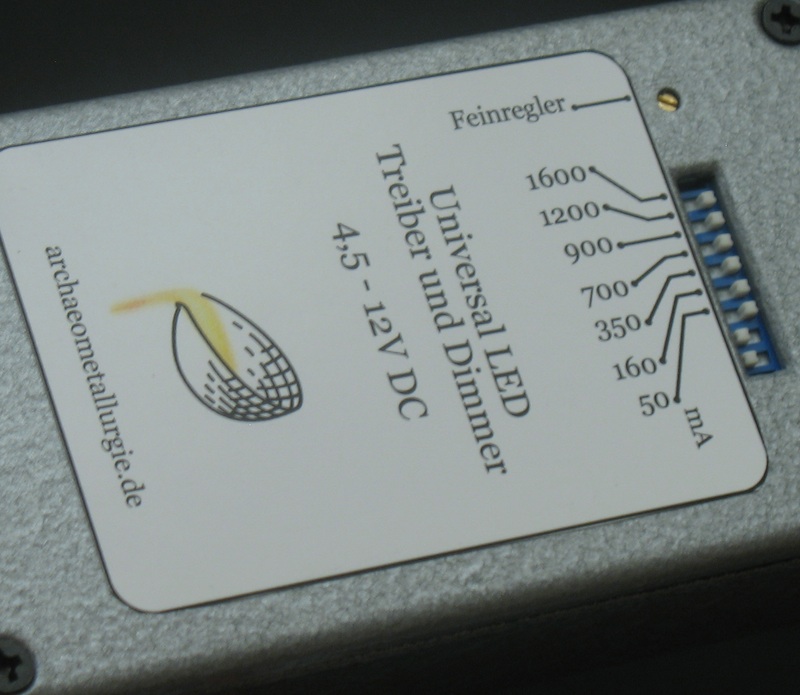 The Universal LED Controller is able to drive and dim all prevalent LEDs. Brightness may be controlled continuously between 0 and 100 %. Especially the new and powerful LEDs require fine adjustment if they are used in the bright field. To this end the universal LED controller was fitted with switch reduce the maximum power to 160mA, and thus adjusting the brightness in the bright-field is possible with ease. Of course this range may also be set to a different level by the user.
Further the controller features a set of six pre programmed maximum ratings to be able to drive LEDs other than 10W LEDs such as the CREE XM-L, without danger of destroying them.
The controller uses a softstart, i.e. there are no flashes during turning on the LED.
[tab: technical data]

LED Adapter
- High Power LED illumination retrofit solution
- custom turned and anodised aluminium heatsink
- e.g. for Zeiss illuminator 467040 and Zeiss Illuminator 15
- adapter for for Carl Zeiss Jena illuminators
- adapter for Carl Zeiss Jena Jenaval, Jenamed,…
- for PZO Biolar
- Leitz Laborlux
- Leitz Diavert Köhler illumination
- JEOL Electron Microprobe
- LED: CREE XM-L
- UV /IR / colour LEDs may also be driven
Controller
- Coarse adjustment 0-100 % light output (0-1600mA)
- Fine adjustment is preset to 0 and 10% light output, may be set by the user
- Maximum current may be set to: 1600, 1200, 900, 700, 350, 160 or 50mA
- constant colour throughout the whole range
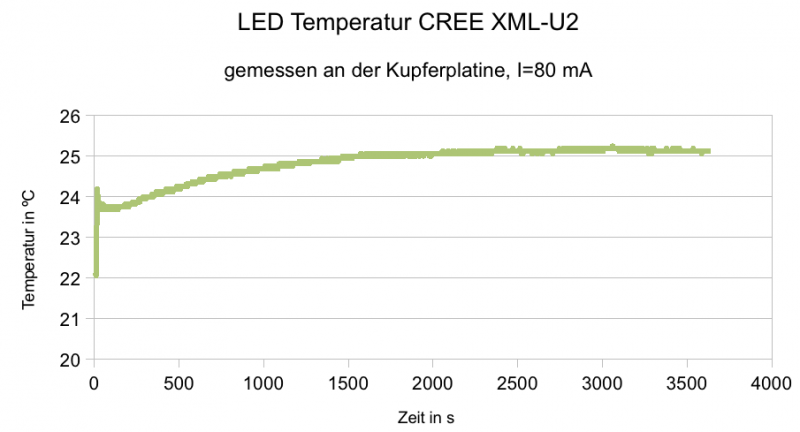
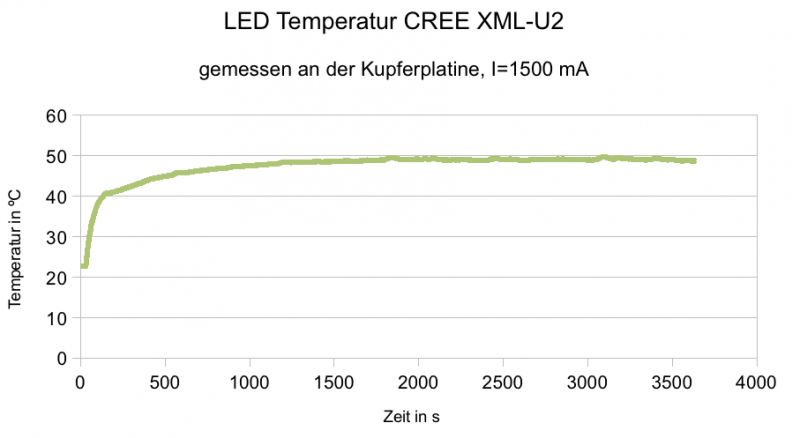
- LED reaches a maximum of 65ºC under maximum current
- Aluminium die cast enclosure in black, light grey ot hammerite (grey)
- DC in 4,5-12V
- reverse voltage protection
- works well as battery driven device
- designed and made in Germany
[tab: Gallery]
click on the images
[tab: Order info]
169 Euro
189 Euro
219 Euro
239 Euro
7 Euro
10 Euro
please contact me
LED Universal Controller 1600 mA
LED Universal Controller 2300 mA
LED Adapter + LED Universal Controller 1600 mA
LED Adapter + LED Universal Controller 2300 mA
P&P (Germany)
P&P (Europe)
P&P (rest of the world)
Order at info [at] archaeometallurgie dot de or use the contact form in the lower right corner.
[tab:END]
no comments | tags: retrofitting LED illumination | posted in Analysis, General, Microscopy