Jan
15
2014
Bastian Asmus

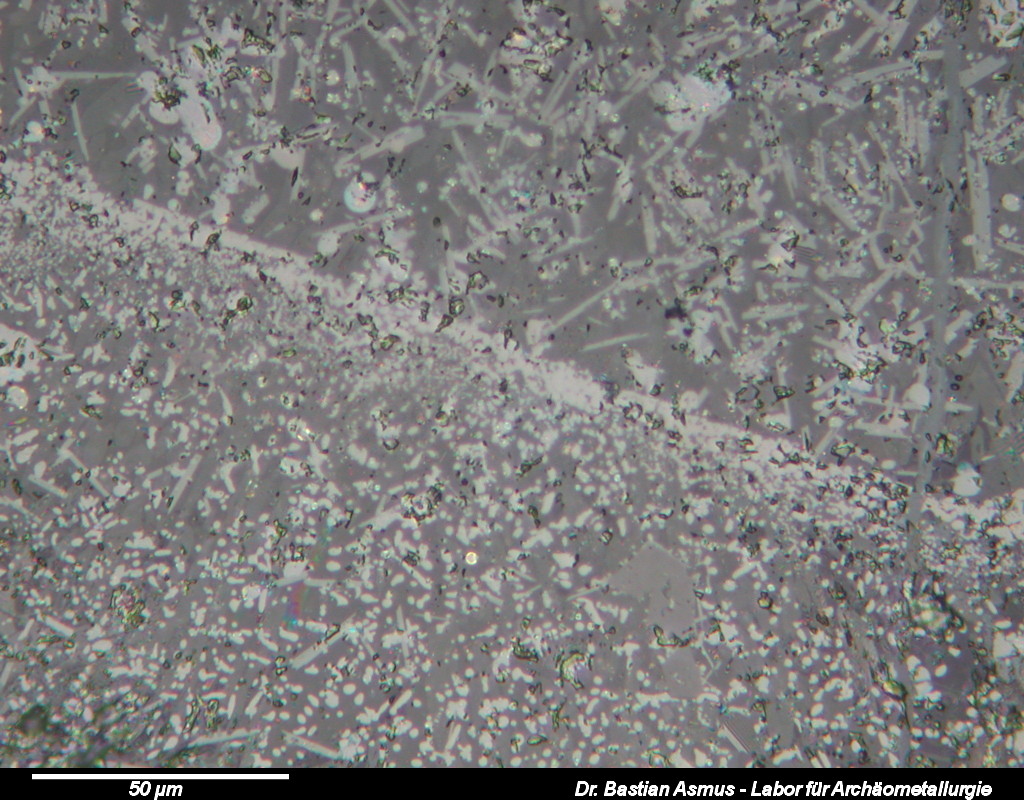
Image 1: The series on slag microscopy you will tell you about how to prepare, describe and interpret polished sections of slag samples. After that you to get hold of a microscope and invest time…
This is the first article of a series on slag microscopy. Excuse me, on what?
Yes you did read correctly: I said slag microscopy. –
This will be a series of articles thought as an introduction to the most noble and useful art of slag microscopy, the equipment needed to do slag microscopy and what slag microscopy is all about. Today’s topic is sample preparation! Slag microscopy is a small but fun part of one the most fascinating disciplines of archaeology: archaeometallurgy (: and it is very useful for us archaeometallurgists, too.
Why? Because slag tells us a lot about the processes and products of which slag is a by-product. In order to be able to tell what slag tells us we need to have a look at it through the microscope. We have to prepare a polished section and will describe the microscopical appearance of the sample under the polarising reflected light microscope.
1 comment | tags: How to | posted in Archaeometallurgy, comparative collection, Lab work, Microscopy, Science, slag
Jun
27
2013
Bastian Asmus

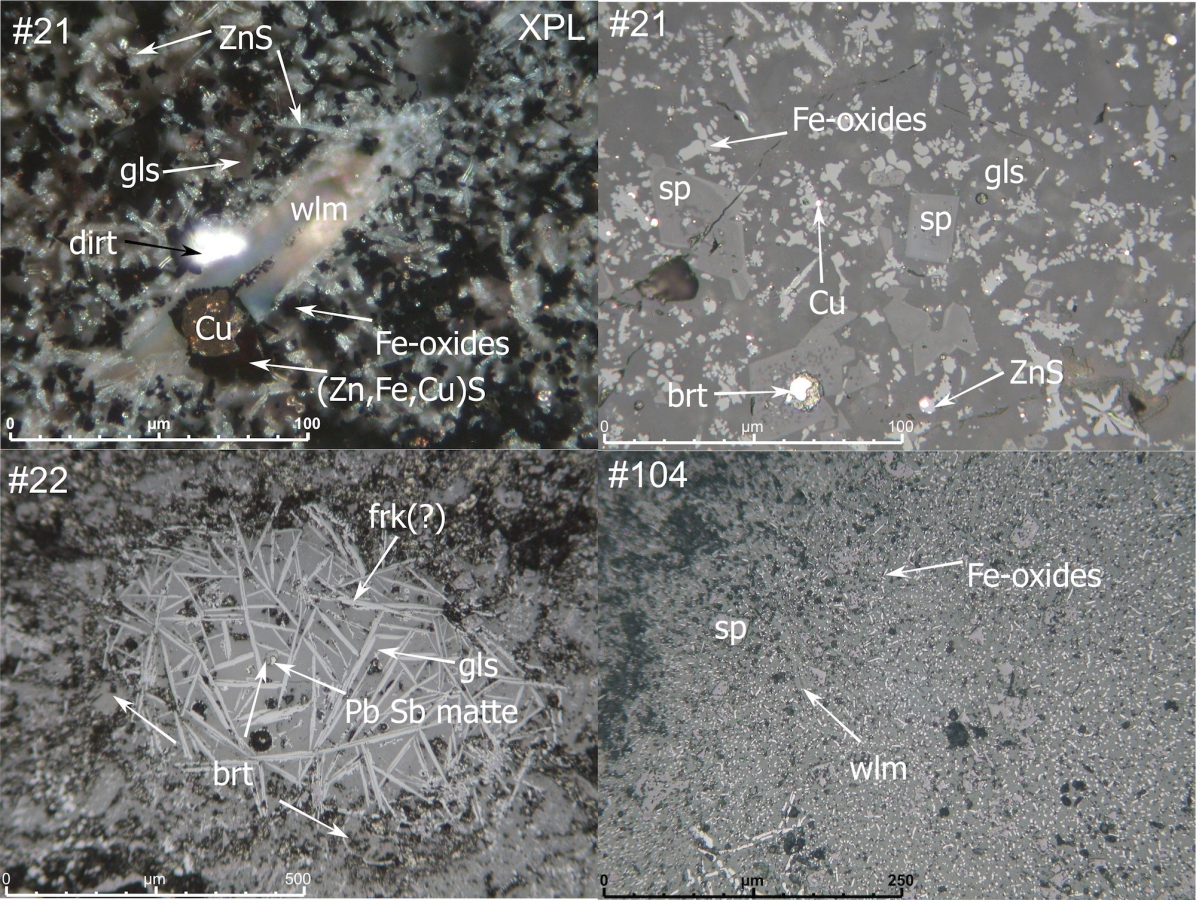
Slag samples of a medieval (12th century) copper smelting furnace.
Top left: #21, XPL. Under crossed polarisers the zinc sulphide can be seen as tiny dendrites within the glassy matrix. The other phases are willemite (wlm) and copper (Cu), which is usually asso ciated with the (Zn,Fe,Cu)S phase, an accompanying phase of copper matte at the Huneberg, from which it probably segregates upon solidification. Free iron oxides are seen as dark and much larger dendrites.
Top right: Another section of #21, under plain polarised light. It shows the abundant spinels, the iron oxides and copper inclusions. Most notably it shows the free baryte (brt) inclusion in the slag matrix.
Bottom left: #22, shows more free baryte (brt), together with a lead antimony matte. The long needles are a mixed iron and zinc oxides and are believed to be franklinite (frk?). #104, is rather more affected by corrosion than the other two samples. It shows mainly spinel (sp), free iron oxides and some willemite (wlm). Spinels are in the same order of magnitude than in the other samples.
The colloquial term Schlackologie is used by several German colleagues in the archaeometric sciences when it comes to the analysis and interpretation of mostly metallurgical slags. Literally it would translate to slagology. But why are slags investigated at all and what exactly is slag?
What are slags and what do they consist of?
Slags are by-products of metallurgical or pyro-technological processes and usually remain at the production site as waste product. For example metallurgical smelting slag is usually composed of five separate components:
Continue reading
3 comments | posted in Archaeometallurgy, General, Science, slag
